
How Much Does Septic Tank Pumping Cost?
Most single-family pumping jobs in Kokomo fall inside that $150 to $300 day-rate band, and the number moves based on tank size, sludge depth and how far the truck has to run its hose. A 1,000 gallon tank costs less to pump than a 1,500 gallon tank because the crew spends less time on-site. Weekend and after-hours work adds $50 to $150 above the standard rate. If your riser is buried under three feet of dirt, expect extra time on the clock, similar to how a porta potty placement guide affects setup time for a rental unit. Kokomo Porta Pros quotes a flat number before the truck shows up, not a guess that grows once the lid comes off. Homes further out, like properties near Cassville about 7.9 miles north of Kokomo, sometimes see a small travel add-on baked into that same range. For a full breakdown of what drives the number, see septic tank pumping cost details or compare against septic tank cleaning service scopes, since cleaning and pumping aren't always the same job.
Why Does Septic Tank Cleaning Price Vary So Much?
Tank size, access and sludge buildup are the three things that move the number. A residential septic tank is typically pumped every 3 to 5 years, and that interval depends on tank size and household size, so a family of six pumping every 3 years pays more per visit than a couple pumping every 5. Distance matters too. A property near West Middleton, about 6.7 miles west of Kokomo, or Hemlock, 7.1 miles southeast, may carry a modest travel charge compared to a job inside city limits. Access is the other lever: a tank buried under a deck or a paver patio takes longer to reach than one with an exposed riser at grade, much like porta potty rental cost rises when a unit has to be carried across a difficult yard. Grease and commercial accounts follow a different rule entirely. A grease interceptor gets pumped once fats, oils, grease and solids reach 25 percent of the liquid depth, which is a different trigger than a household septic schedule. If you're running a restaurant or commercial kitchen in Kokomo, that's a grease trap pumping job, not a standard residential pump-out. Homeowners unsure which category they fall into can check how often to pump a septic tank for the interval logic before booking.
What's Included in a Septic Pumping Visit?
A standard visit includes locating the tank, opening the lid, pumping the contents, and a basic check of tank condition. Kokomo Porta Pros doesn't upsell inspections you didn't ask for, but if the crew spots a warning sign, cracked baffle, root intrusion, standing water where there shouldn't be any, they'll flag it before closing the job. That's worth reading up on ahead of time at septic tank warning signs, because catching a problem early costs less than an emergency call later, the same logic that applies to porta potty rental checklist planning before an event. If your system backs up outright, that's a different call altogether: see emergency septic service for same-day response. Some properties don't have a septic tank at all but run on a holding tank instead, which needs pumping on a shorter cycle since it has no leach field to disperse liquid. That's covered separately under holding tank rental pricing, since the equipment and schedule differ from a standard septic setup.
How Does Septic Pumping Compare to Portable Toilet Rental?
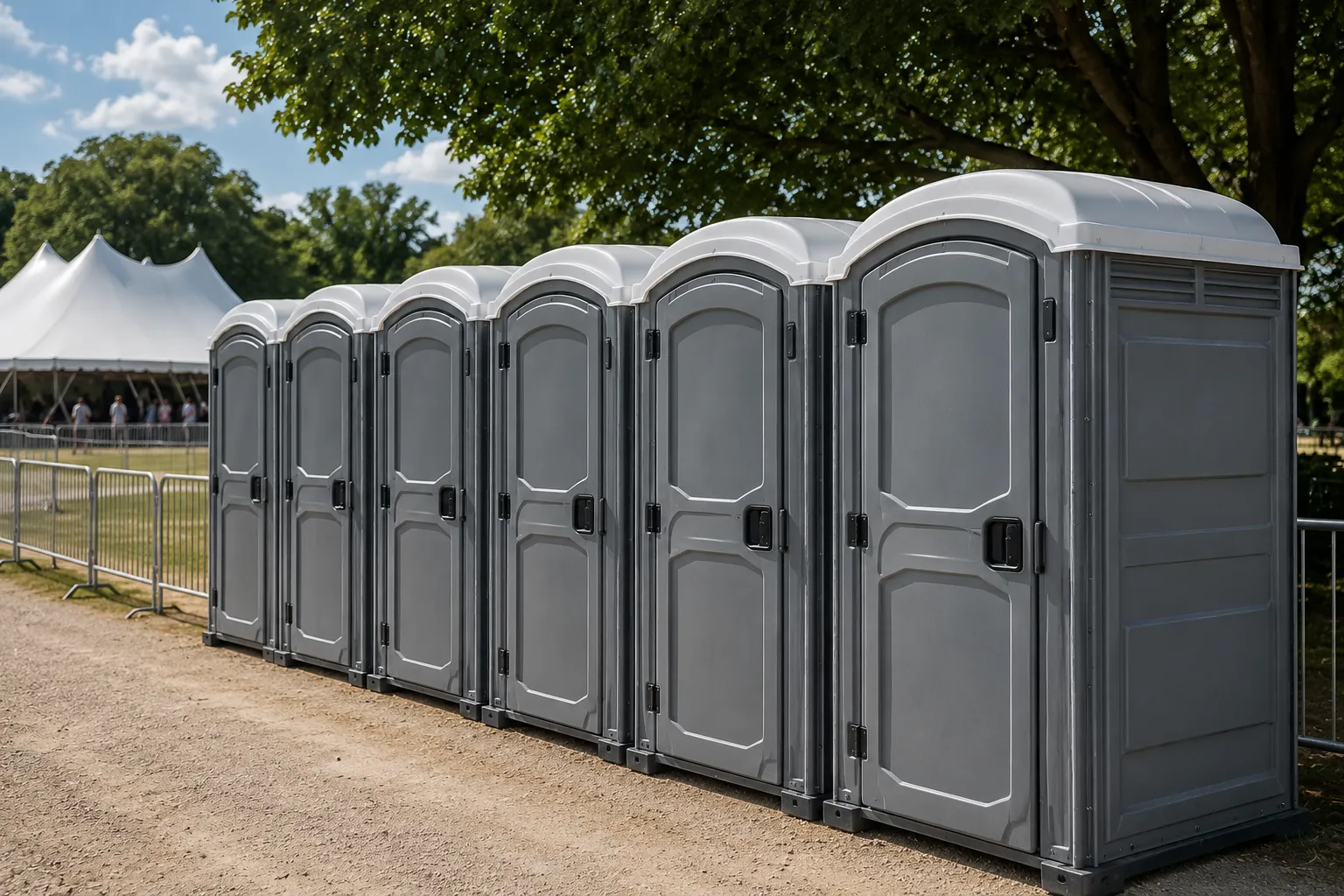
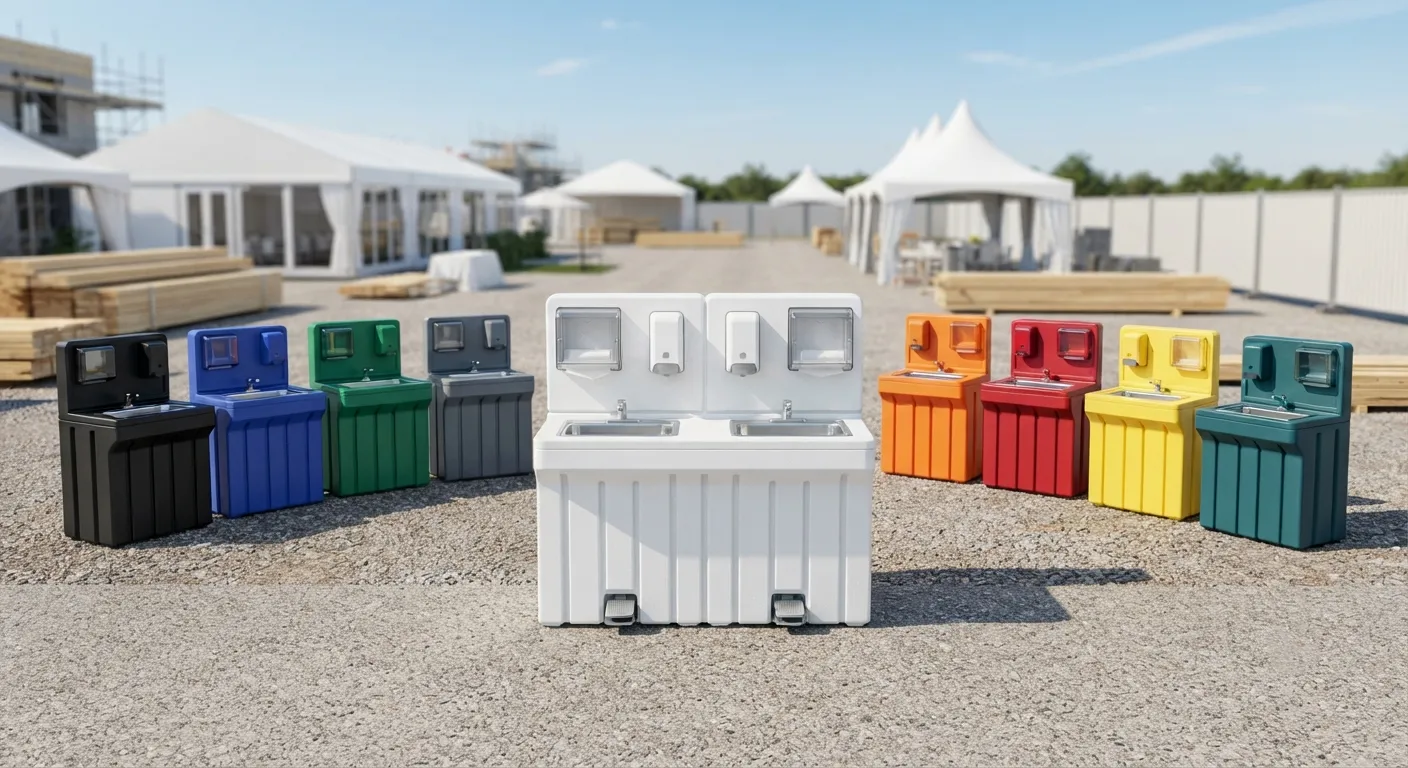
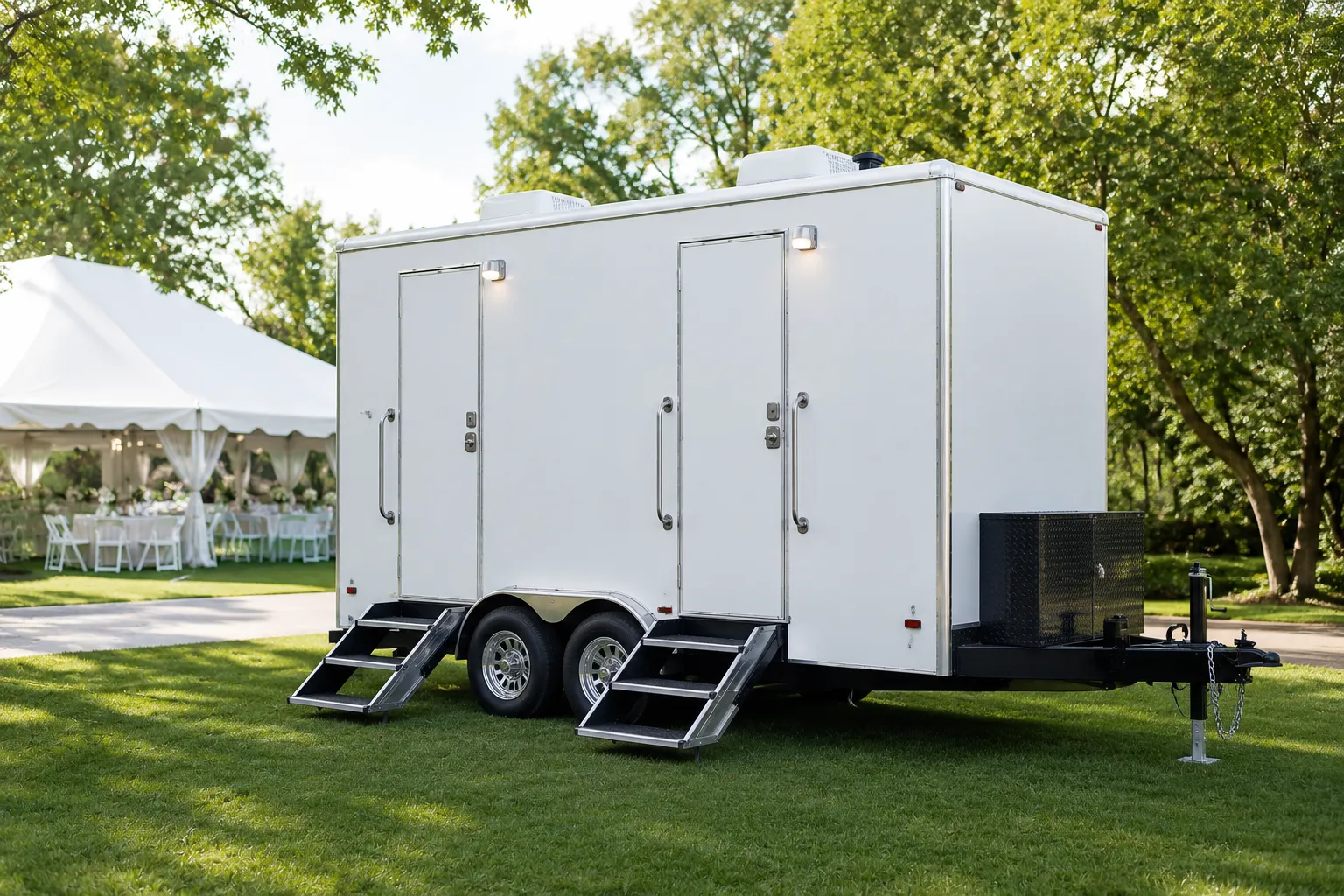
They're different problems with different price shapes, and comparing them helps some customers decide what they actually need. A septic pump-out is a one-time service call priced by tank size and access, while a portable toilet rental or portable restroom rental runs on a set schedule instead. A portable toilet is an ongoing rental priced by duration, with a standard unit running $100 to $350 a day or $130 to $500 for a full week. Construction sites often need both: septic service for an existing system under strain, and standard porta potty rental for crews with no bathroom access at all. If you're staging a home renovation and your existing septic system can't handle extra load from workers on-site, a home renovation porta potty covers the gap without stressing your tank. Event organizers face the same choice, and a festival restroom rental or wedding restroom rental booking often runs alongside septic planning for the venue. A wedding venue on septic might need a pump-out before a big weekend and a few event restroom rental units to handle guest volume the tank was never sized for.
| service | duration | low | typical | high |
|---|---|---|---|---|
| septic pumping | day | $150 | $250 | $300 |
| septic pumping | weekend | $50 | $100 | $150 |
| standard porta potty | day | $100 | $150 | $350 |
| standard porta potty | week | $130 | $200 | $500 |
Is Septic Pumping Cost Different for Farms and Rural Properties?
Rural and agricultural properties in and around Kokomo often carry a slightly different cost profile because of drive distance and system age. A farm operation near Logansport, roughly 27.6 miles northwest of Kokomo, pays more in travel time than a property inside city limits, and older rural systems sometimes have deeper or harder-to-locate tanks. Farms with hand-labor crews also fall under a separate sanitation rule, one worth checking against osha portable toilet requirements before deciding how many units to place: OSHA 1928.110 requires potable water, toilets and handwashing for hand-labor employees, at one facility per 20 workers, within a quarter mile walk. That's a labor requirement, not a septic one, but a lot of farm operations end up needing both septic service for the house and farm and agricultural restrooms for field crews at the same time. Properties near Center, about 5.5 miles southeast of Kokomo, tend to fall inside the standard pricing band without much travel premium since it's close in, and the same coverage applies across our service areas map.
FAQ
How much does it cost to pump a 1,000 gallon septic tank?
A 1,000 gallon tank generally falls in the lower half of the $150 to $300 day-rate range in Kokomo, since it takes less time to empty than a 1,500 gallon system. Access and sludge depth still move the final number. Get a flat quote before the truck arrives by starting a request a quote with your tank size and address.
How often should I have my septic tank pumped?
A residential septic tank is typically pumped every 3 to 5 years, driven by tank size and household size. Larger households on smaller tanks should lean toward the 3-year end. Check how often to pump a septic tank for specifics.
What's the difference between septic cleaning and septic pumping?
Pumping removes liquid and sludge from the tank. Cleaning can include that plus a closer look at baffles, inlet and outlet pipes, and tank walls. Ask which scope you're getting when you book, since the terms get used loosely, and our frequently asked questions page covers more of these definitions.
Do I need a permit for septic pumping in Kokomo?
Placement and permit rules vary and need confirming directly with the city before scheduling. Kokomo Porta Pros can advise once we know your address and system type, but we won't guess at a rule we haven't verified with the local office; the same caution applies to porta potty permit requirements for rental units on public property.
Can I pump my septic tank myself?
Technically some homeowners try, but without a vacuum truck and proper disposal access, it's not practical or legal in most cases. Professional pumping also includes a basic condition check you'd miss doing it yourself. Book a septic pumping service call instead.
Next step
Get a delivery date
Tell us the address, the dates and the headcount. We size the order and confirm the route.